In-house sheet production
PP and PS share a sheet production line. Sheet requirements are reviewed with tray geometry and forming conditions.

LONGGANG · WENZHOU · ZHEJIANG
Tonghou Packaging is based in Longgang, Wenzhou, Zhejiang. We produce PET, PP and PS sheet, thermoformed packaging and flocked inserts. Material, sheet, geometry, tooling and forming conditions are reviewed together for custom food, electronics, industrial and presentation packaging.
Wenzhou Tonghou Plastic Products Co., Ltd.
Page updated
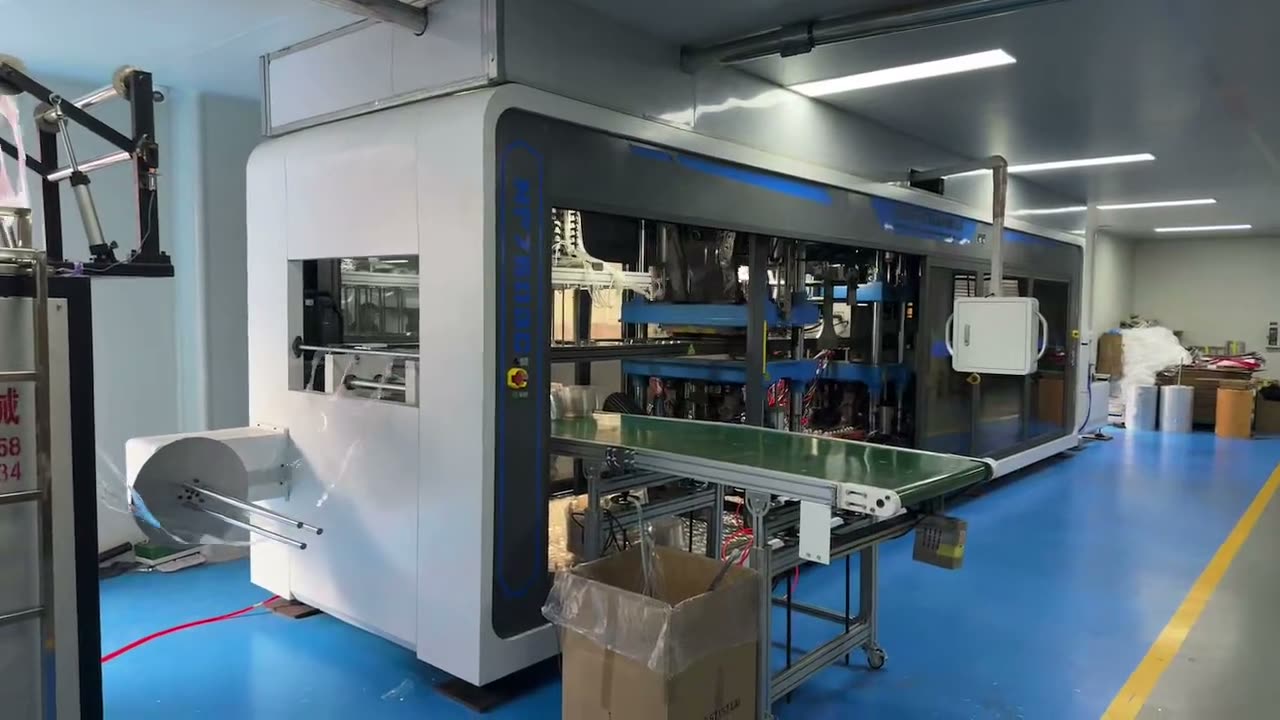
PP and PS share a sheet production line. Sheet requirements are reviewed with tray geometry and forming conditions.
Combining pressure/vacuum forming, in-line cutting and automatic stacking.
The forming route is selected around material, geometry and order requirements.
Flocked inserts for cosmetics, liquor and health-product presentation boxes.
The company owner confirmed this configuration on 4 September 2026. Equipment counts describe the current setup; forming range, output, precision and delivery arrangements are confirmed for each project.
Production, storage and the rooftop photovoltaic project occupy areas with distinct uses. The company owner confirmed the following areas on 7 September 2026.
The original factory premises cover 1,911 square metres.
Building 6, fourth floor, in the added factory premises; used for storage.
Located on the ground floor and used for PET sheet production.
A rooftop photovoltaic project, with its area listed separately from indoor production and storage space.
01 / SHEET PRODUCTION
Tonghou produces PET, PP and PS sheet in-house. PP and PS share a sheet production line. Custom tray assessment starts with the application, contact conditions, appearance and geometry, then considers sheet and forming options. A material name does not replace finished-product validation.
For transparent packaging, review sheet and geometry against product visibility, display space and positioning contours.
For PP food and mooncake trays, assess cavity depth, opening, corners and sheet conditions together when deep cavities are required.
For electronics and industrial parts, review cavity layout, part orientation, clearance around sensitive areas and handling requirements.
Company-supplied footage of PET sheet production. Sheet requirements are assessed with appearance, product geometry and the subsequent forming conditions.
This sheet line is used for both PP and PS. The material and sheet requirements for an order are confirmed during the product and forming-route assessment.
02 / PRESSURE / VACUUM FORMING
The current setup includes 3 integrated pressure/vacuum forming machines with in-line cutting and automatic stacking. Deep cavities, irregular profiles and retention features are reviewed together with sheet, heating, tooling and the forming route.
The choice of pressure/vacuum forming depends on the material, thickness, draw geometry and sample review.
03 / HIGH-SPEED THERMOFORMING
Five high-speed thermoforming machines complement the pressure/vacuum forming equipment. Once the material, structure and sample are approved, production planning considers cutting, stacking, inspection and packaging requirements.
The equipment category does not establish a particular production speed or capacity.
04 / FLOCKED PACKAGING
Tonghou produces flocked sheet and flocked packaging, including inserts for cosmetics, liquor and health-product presentation boxes. Custom assessment considers cavity support, surface feel, visible areas and box assembly together.
Company-supplied footage of flocked sheet being wound. Physical samples can be used to confirm flock color, surface feel and subsequent forming requirements for a custom insert.
05 / PRODUCT APPLICATIONS
These are company-confirmed product directions. Follow the relevant page for geometry and acceptance considerations, or send the product, drawings and packaging requirements for assessment.
PP trays assessed for cavities, separation, handling, stacking and outer-box space.
View product and review criteriaPS electronics inserts and industrial packaging assessed for positioning, clearance and handling.
View product and review criteriaPET trays and transparent packaging assessed for visibility, surfaces and formed contours.
View product and review criteriaFlocked inserts assessed for support, touch, display and presentation-box assembly.
View product and review criteriaReview sheet, cavity depth, opening and corners together to assess the forming route.
View product and review criteriaReview contact points, restraint, removal space and assembly on samples; precision is confirmed by project.
View product and review criteriaThese images are based on company-supplied, publication-approved product photos. Backgrounds cleaned for display; confirm details against physical samples. The images illustrate cavities, contours and edges; material and performance depend on the relevant product records.
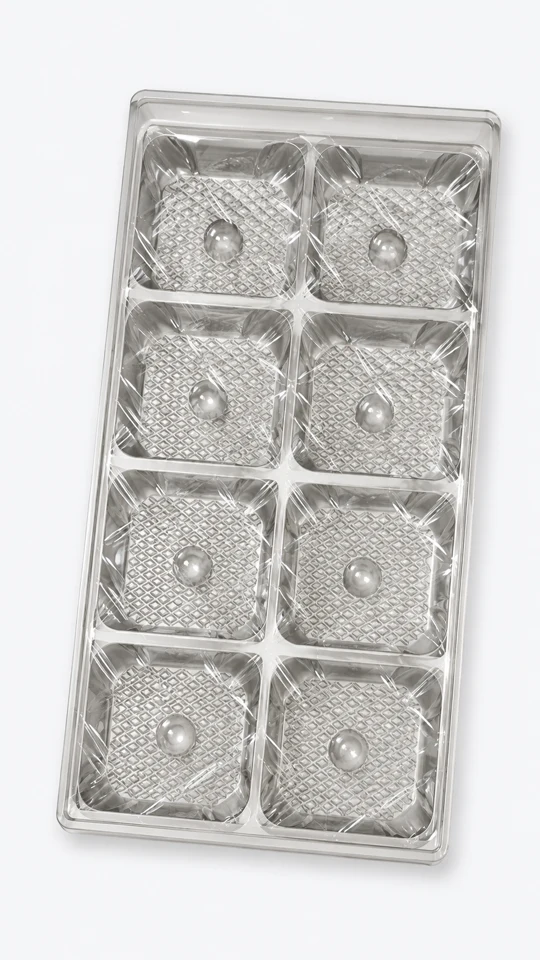
Visible evidence: separated cavities, formed contours and a perimeter flange.
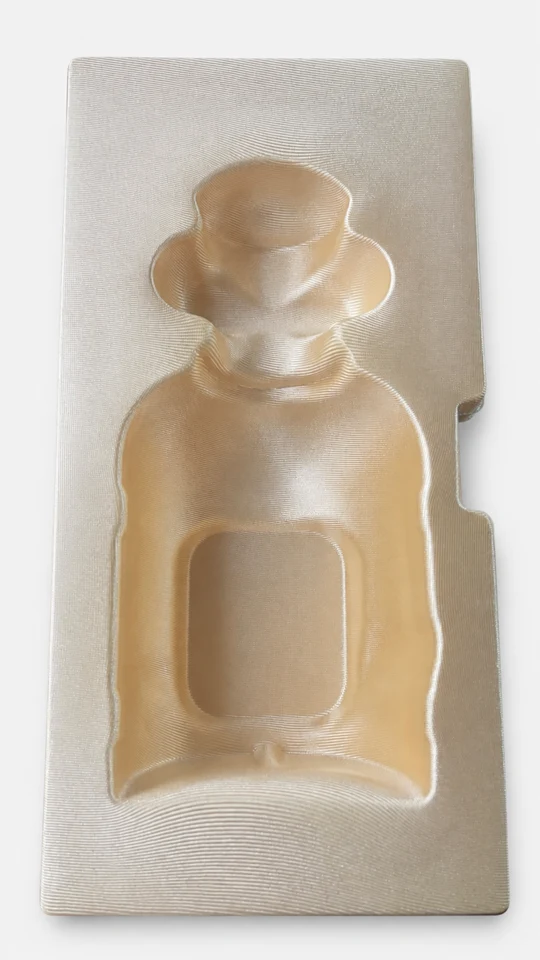
Visible evidence: bottle-profile geometry, a defined neck area and a textured presentation surface.
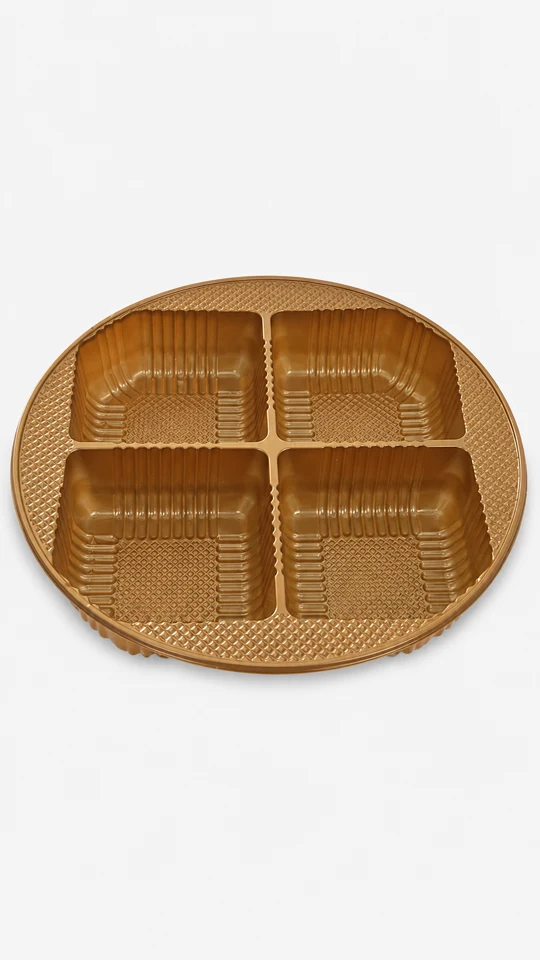
Visible evidence: four divided cavities, formed sidewalls and a continuous outer rim.
06 / SHEET + FORMING INTEGRATION
When comparing a thermoformed tray manufacturer in Wenzhou or Longgang, look at how material decisions connect to forming as well as the sample appearance. Tonghou's integrated sheet and forming setup brings the assessment back to one set of product requirements.
Translate appearance, structural support, contact conditions and packaging assembly into sheet and forming review inputs.
When a wall, corner or retention issue appears, review sheet, heating, tooling and forming conditions together.
Connect the agreed material, geometry, sample and acceptance criteria so each stage works to the same requirements.
07 / SAMPLE TO PRODUCTION
Define the project conditions and approval points before arranging tooling, samples and production. Sampling and delivery timing are confirmed after project assessment.
Share dimensions, weight, application, packaging space, quantity requirements and areas needing protection.
Review PET / PP / PS or flocking options, thickness needs, cavities, removal and forming route.
Review cavities, corners, release and cutting locations, and define what the sample needs to establish.
Check product fit, retention, sidewalls, edges, appearance, stacking and outer-box assembly.
Record the sample and drawing revision, inspection method, packaging, identification and delivery conditions.
RFQ / PROJECT ASSESSMENT
Send product photos or drawings with the application, preferred material, dimensions, quantity, packaging method and acceptance criteria. These inputs guide the sheet, forming-route and next-step assessment.